SHOP THE USA'S TOP SPARCO SHOE DEALER

Common First-Time Buyer Mistakes When Choosing Racing Shoes (And How to Avoid Them)
2/24/20263 min read
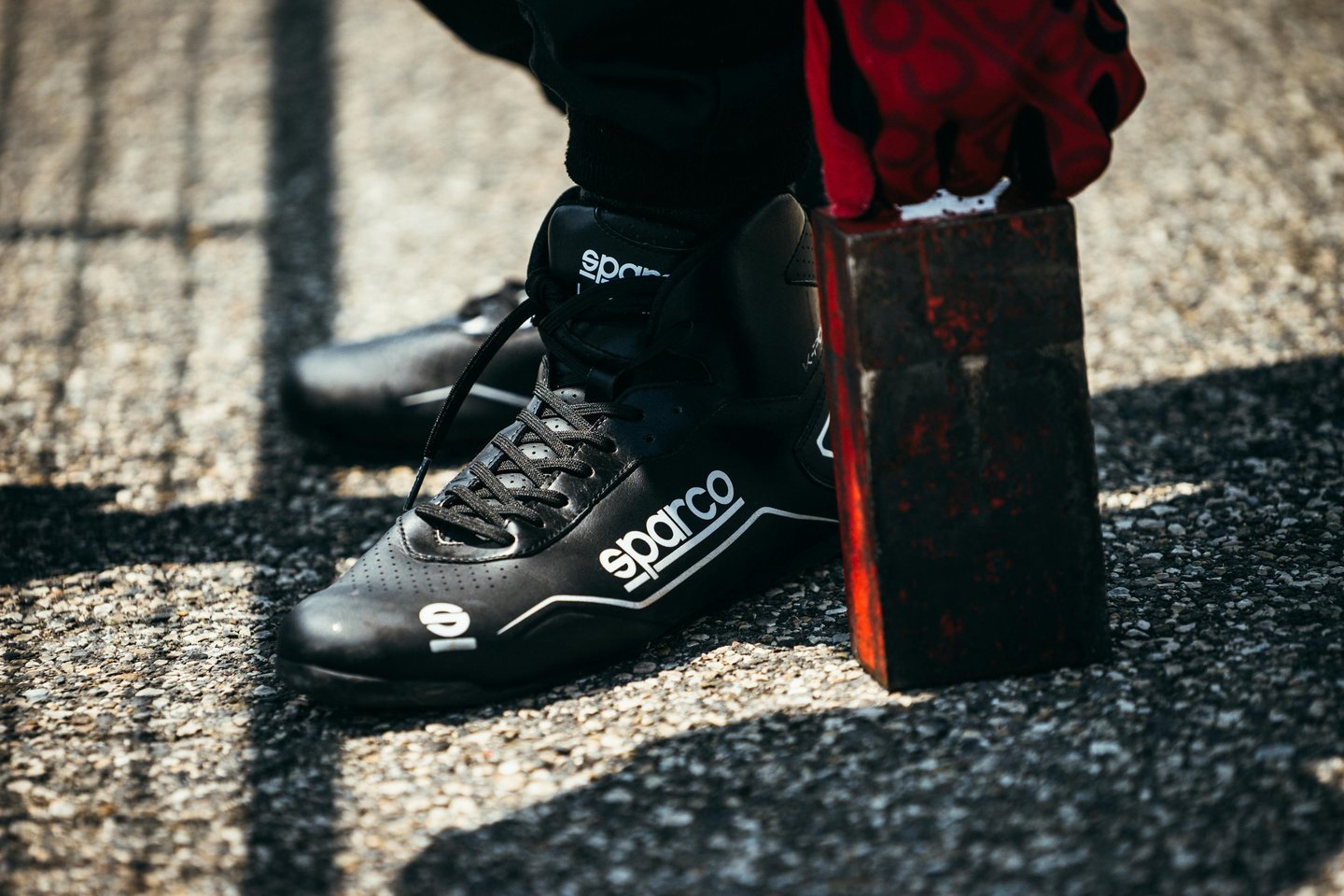
Buying your first pair of racing shoes is an exciting step into the world of motorsport. Whether you’re preparing for your first HPDE event or entering competitive karting, the right footwear plays a major role in both safety and performance.
However, many first-time buyers make simple — but costly — mistakes when choosing their racing shoes.
At Sparco, decades of motorsport innovation have gone into designing footwear that maximizes pedal feel, protection, and driver control. Understanding what not to do is just as important as knowing what to buy.
Below are the most common first-time buyer mistakes — and how to avoid them.
Mistake #1 – Buying Karting Shoes for Auto Racing
This is easily the most common error.
Karting shoes and auto racing shoes may look similar at first glance, but they are built for completely different environments.
Karting Shoes:
Lightweight construction
Highly flexible soles
Maximum pedal sensitivity
No fire-resistant materials
Auto Racing Shoes:
Fire-resistant outer layers
Nomex lining
FIA homologation options
Added ankle and heat protection
If you’re driving a race car — even at the club level — fire protection matters. Karting shoes are not designed to withstand cockpit heat or fire exposure.
Rule of thumb:
If you’re in a car, choose Sparco auto racing shoes — not karting models.
Mistake #2 – Ignoring FIA Homologation Requirements
Many first-time buyers don’t realize that some racing series require FIA-approved gear — including shoes.
FIA homologated racing shoes meet strict international safety standards for:
Flame resistance
Heat transfer protection
Material durability
If you plan to compete in:
Wheel-to-wheel racing
Time trials
Endurance events
Sanctioned club racing
There’s a strong chance FIA racing shoes are mandatory.
Even if your current events don’t require FIA certification, buying homologated shoes now can future-proof your gear as you progress in motorsport.
Mistake #3 – Choosing Style Over Fit
We get it — Sparco racing shoes look incredible.
From modern colorways to heritage racing designs, it’s tempting to choose based purely on aesthetics. But performance should always come first.
A poorly fitting racing shoe can cause:
Inconsistent throttle input
Brake modulation issues
Foot fatigue
Heel lift while driving
Racing shoes should fit snug — almost like a glove for your feet.
Prioritize:
Heel lock
Ankle support
Toe box space
Arch comfort
You can love how they look — but you need to love how they perform even more.
Mistake #4 – Ordering the Same Size as Your Sneakers
Racing shoes are not sized like everyday footwear.
Most first-time buyers assume their normal street shoe size will translate perfectly — but racing shoes are designed for precision, not casual comfort.
Key differences:
Narrower fit profile
Thinner inner padding
Performance-focused shaping
For best results:
Measure your foot in centimeters
Reference Sparco’s sizing chart
Consider racing sock thickness
If between sizes, evaluate fit preference
A properly sized racing shoe should feel tight standing still — but perfect once driving.
Mistake #5 – Not Considering Pedal Box Spacing
This is a detail many beginners overlook — but experienced drivers know how critical it is.
Different cars have different pedal layouts:
Tight GT cockpits
Wide track day pedal boxes
Offset floor-mounted setups
Hanging pedal assemblies
If your shoes are too bulky, you risk:
Catching adjacent pedals
Slower heel-toe inputs
Reduced modulation accuracy
Sparco racing shoes are designed with slim, race-optimized soles specifically to reduce pedal interference — but choosing the right model still matters.
Drivers with tighter cockpits often benefit from ultra-thin sole designs for maximum clearance and feedback.
Mistake #6 – Overlooking Breathability and Comfort
Long sessions generate serious heat — especially in auto racing environments.
Without proper ventilation, drivers may experience:
Sweaty feet
Reduced pedal grip
Discomfort during endurance sessions
Many Sparco auto racing shoes incorporate:
Perforated panels
Breathable liners
Moisture-managing materials
If you’re running extended track sessions or endurance racing, comfort becomes performance.
Mistake #7 – Buying Budget Shoes Instead of Investing Once
First-time buyers sometimes look for the cheapest option available — only to upgrade shortly after.
Entry-level shoes may lack:
Advanced sole grip
Long-term durability
Premium fire protection
Reinforced heel structure
Motorsport gear is an investment in both safety and driving precision.
Buying quality Sparco racing shoes from the start often saves money — and improves performance — in the long run.
Final Thoughts – Buy Smart, Drive Better
Your racing shoes are one of the most important control interfaces between you and your machine.
Avoiding these common first-time buyer mistakes ensures you get:
Proper safety protection
Maximum pedal feel
Long-session comfort
Rulebook compliance
Performance confidence
Whether you’re entering your first kart race or strapping into a full race car, choosing the right Sparco racing shoes sets the foundation for your driving experience.
When in doubt — prioritize fit, function, and certification over everything else.
Because in motorsport, every input matters — and it all starts at your feet.
POWERED BY THE LARGEST SPARCO SHOE DEALER IN THE USA
Explore our sleek website template for seamless navigation.
Contact
sales@competitionmotorsport.com
844-438-7244
© 2024. All rights reserved.